Short notes from the chairside.
A minute or two at a time, on the questions patients and parents ask most.
Videos are added here as they’re published. The latest are always on Instagram.
First questions every parent asks about catching things early.
When timing matters more than the appliance.
Why phase one isn’t quite the same as braces.
Reading a six-year-old’s smile.
Widening the upper jaw — and what it does to the rest of the face.
An appliance that asks the lower jaw to grow forward.
Why orthodontists pay so much attention to the calendar.
The signs parents can watch for at home.

Mouth-breathing — what it does, and what to do about it.

What I decided for my own son, and why the timing mattered.

In Bahasa Indonesia: should you wait for the baby teeth to fall out before treating crowding?
The most counter-intuitive thing about kids’ smiles.

Thumb-sucking, mouth-breathing and a few others worth noticing early.
Demystifying “phase one” before age ten.

Years of tiredness I’d filed under personality. Where this series starts.

What the numbers on a sleep study actually mean.

The options after a diagnosis, CPAP and beyond.

A night-time appliance that holds the lower jaw forward, in plain terms.

A closer look at the appliance I sleep in.

The first weeks with a MAD are not always comfortable. What to expect.

Why a MAD suits some people and not others.
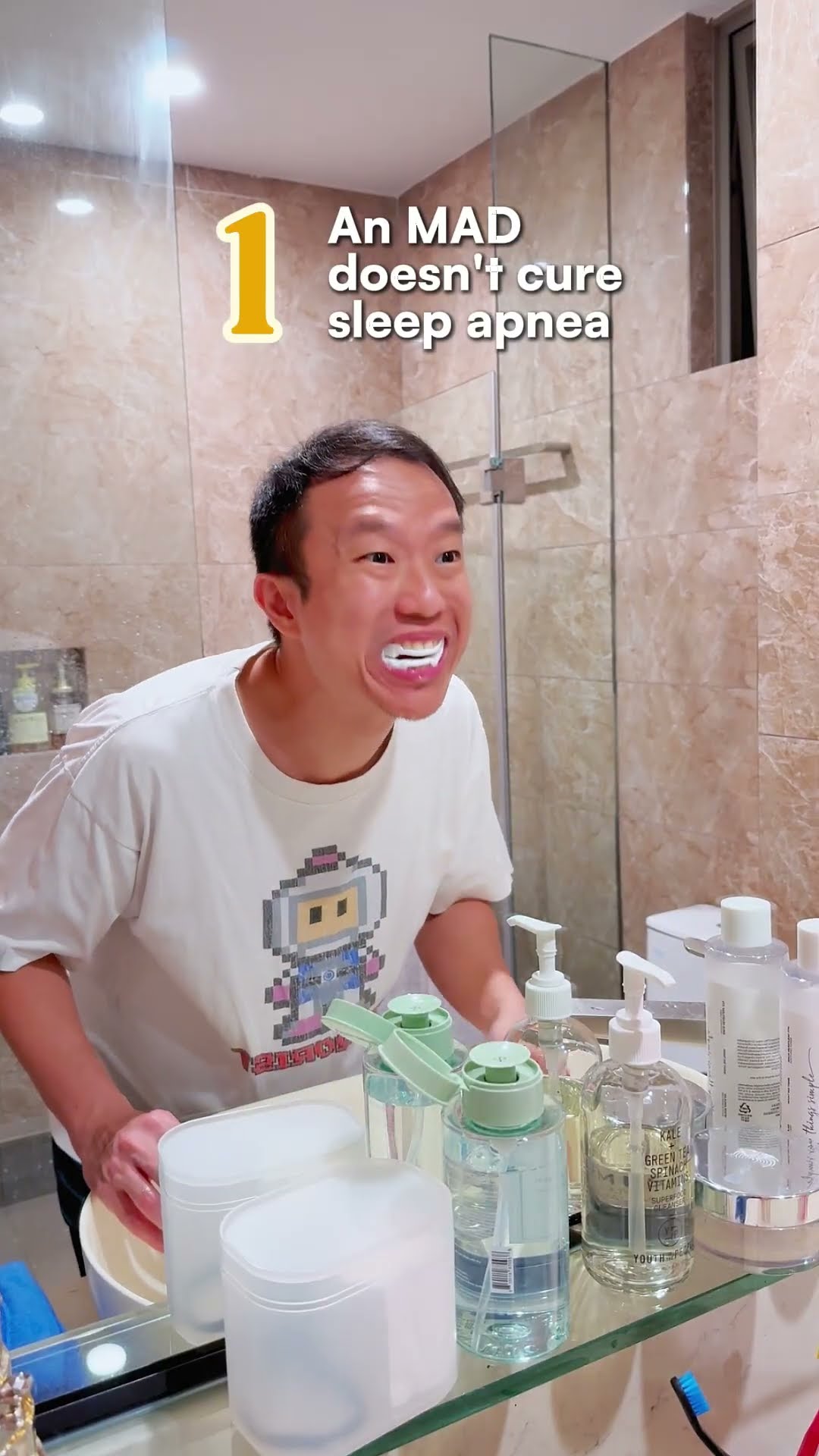
Going back for a second sleep study, this time with the appliance in.

When the hours are there but the rest isn’t.

How the shape of the upper jaw relates to breathing at night.

How poor sleep can show up in a child during the day.

Why sleep is worth asking about first.
The mechanics, with the metaphors stripped out.
The diagnosis behind a result that didn’t quite hold.
Yes, really — but only sometimes, and only this much.
The chewing trick that helps the first sore week.
The right way to floss around brackets.
Wax, soft food, and what to skip.
The first consult, step by step.
Records, scans, and the treatment plan.
What a retainer should and shouldn’t feel like.
What crowding can do beyond aesthetics.
What people delay, and what it costs them later.